Powered by Onboard Intelligence, Alone at Mars
When Perseverance began its Entry, Descent, and Landing sequence on Mars, it was operating in a fully onboard processing, closed-loop control mode.
Due to the one-way communication delay of over 11 minutes between Earth and Mars, real-time command and control was impossible. All critical decisions had to be executed by the rover’s onboard flight computers without any ground intervention.
During atmospheric entry at approximately 5.4 km/s, Perseverance’s GNC system continuously fused data from Inertial Measurement Units, radar altimeters, and descent cameras. Using real-time state estimation and feedback control laws, the vehicle autonomously managed attitude control, deceleration, parachute deployment, and heat shield separation.
In the terminal descent phase, Perseverance employed Terrain-Relative Navigation, performing onboard image processing and map matching to estimate its position with high precision. The system autonomously executed hazard detection and avoidance, retargeting the landing site in real time to avoid rocks, slopes, and craters.
Finally, the powered descent system and sky-crane maneuver were triggered based entirely on onboard sensor thresholds and deterministic flight software logic. Only after touchdown did telemetry confirm a successful landing reach Earth.
Perseverance’s landing demonstrates why modern spacecraft rely on high-reliability avionics, real-time onboard processing, fault-tolerant software, and autonomous decision-making—especially when communication latency makes human-in-the-loop control impossible.
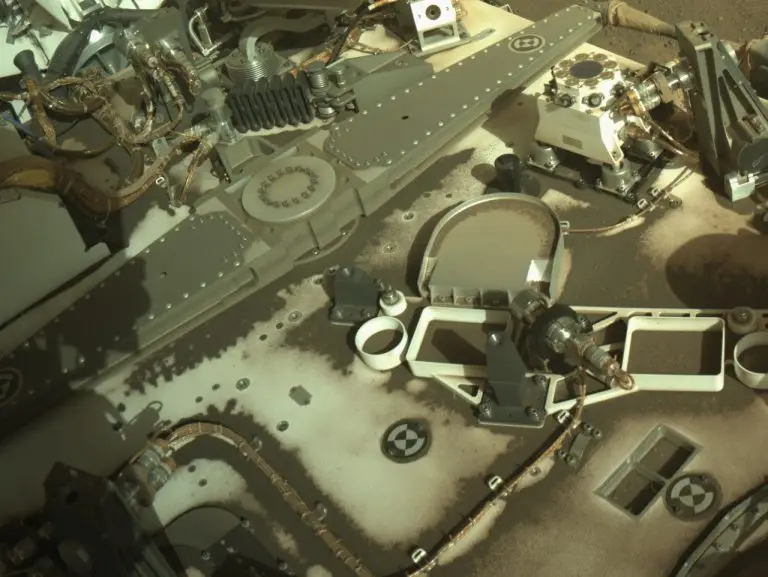
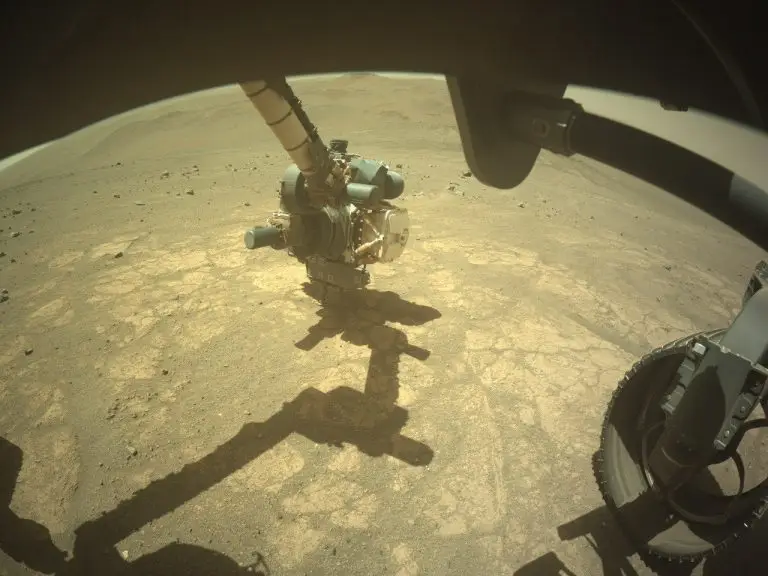
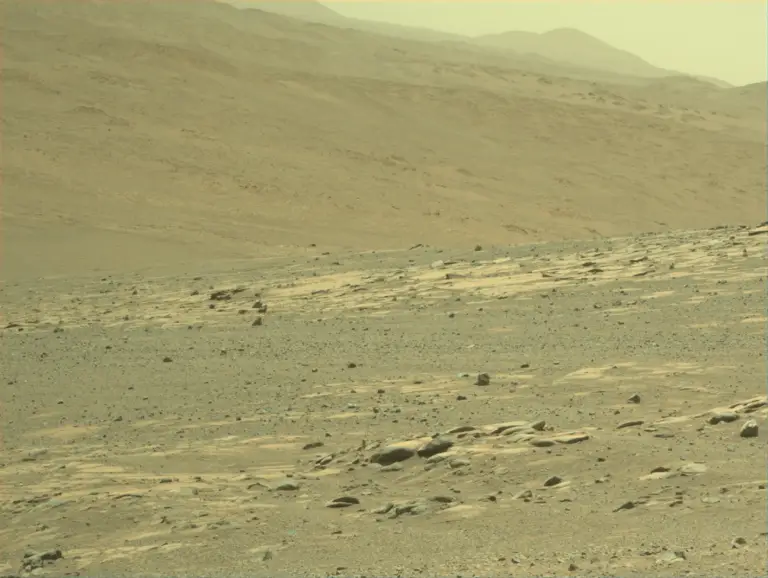
You can download latest images & data from Perseverance here: https://mars.nasa.gov/mars2020/multimedia/raw-images/
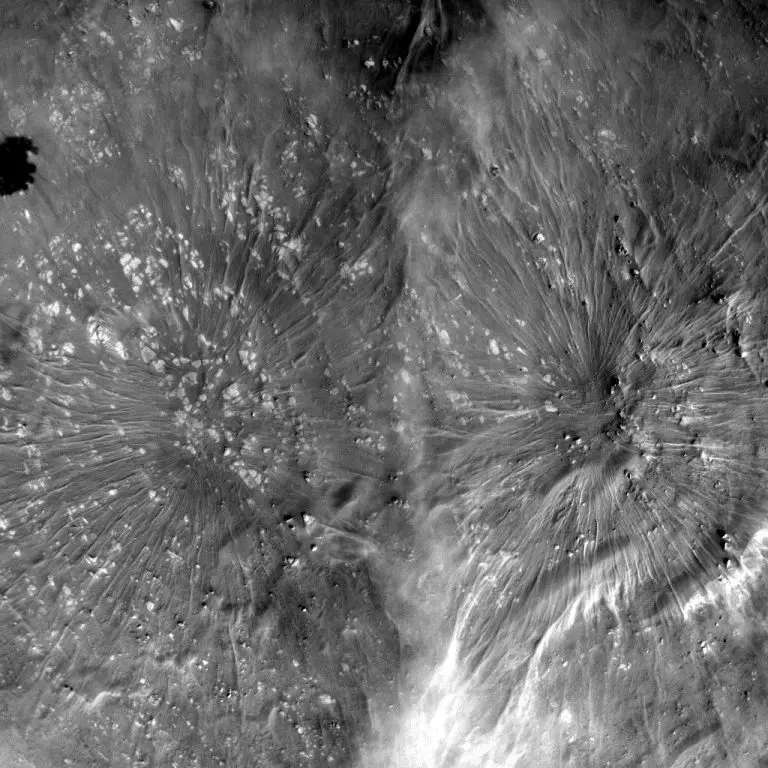
Pictures credit to NASA.