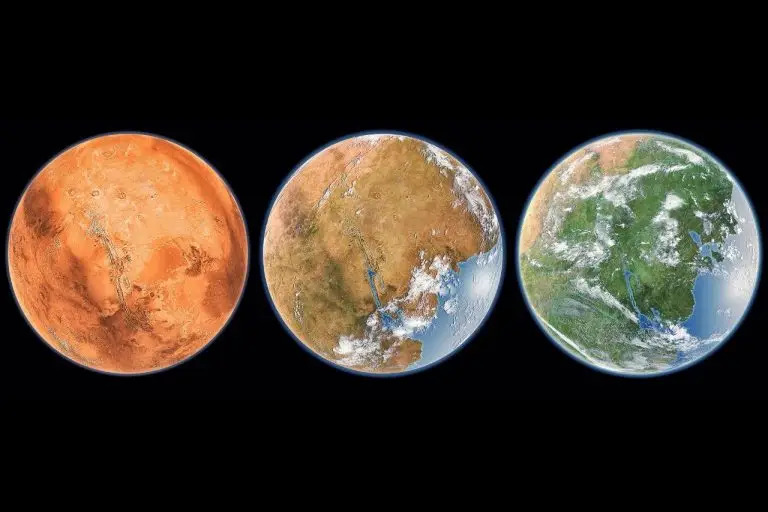
Multi-Planetary Life, The Red Planet will shine blue once more!
A great science fiction story is about to be no longer a fiction!
Human civilization’s long-term survival depends on its ability to manage existential risks and adapt beyond a single fragile world. Earth exists in a dynamic universe where asteroid impacts, super-volcanic eruptions, pandemics, climate instability, and human-made threats could disrupt or even end civilization. Establishing a multi-planetary presence provides resilience by ensuring humanity is not confined to one vulnerable planet.
It would be a tragedy if the human race vanished the way the dinosaurs once did.
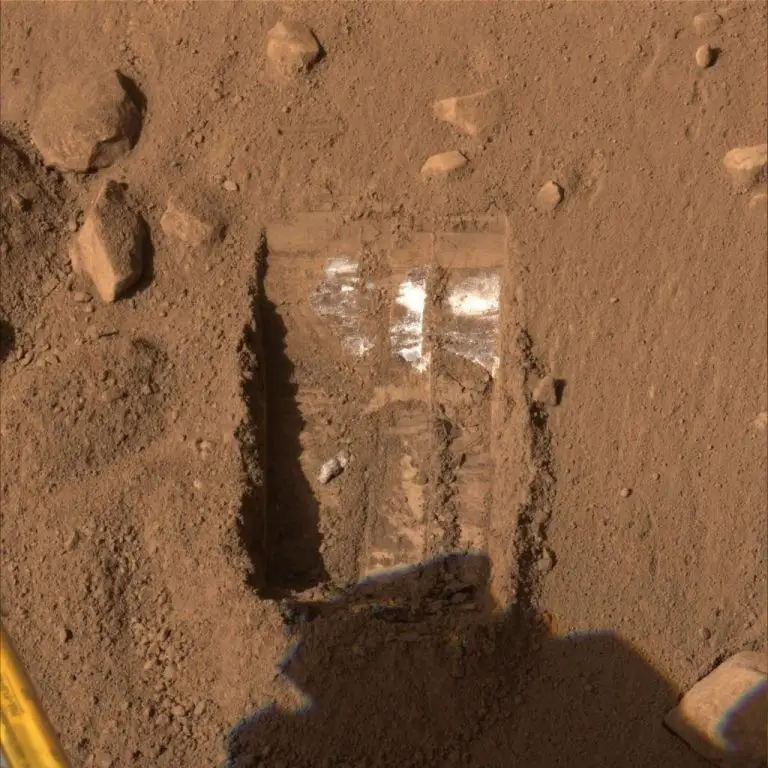
Among all destinations in our solar system, Mars is the most viable candidate for a second home for humanity. It is the most Earth-like planet available, with a similar day length, seasonal cycles, and strong evidence that liquid water once existed on its surface. Mars contains water ice, carbon dioxide, and mineral resources that make long-term human settlement technically achievable. All we have to do is heat it up!
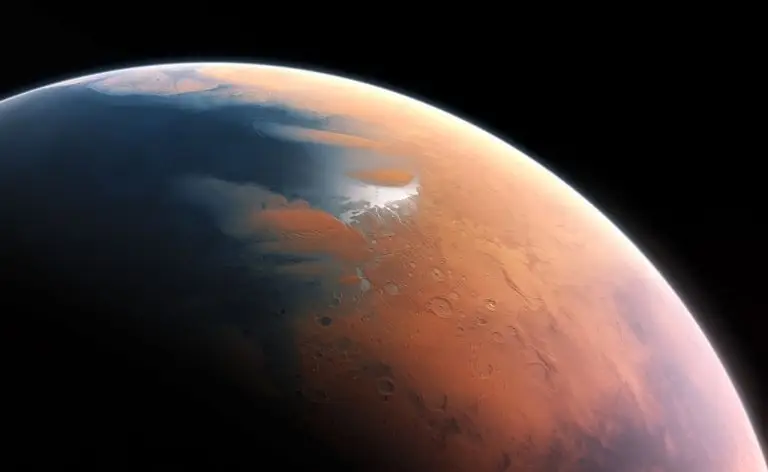
In last decades, we have gathered enough information by sending number of orbiters & rovers to Mars! Curiosity & Perseverance still working on Mars sending us fresh pictures & data to pave the way to colonize the Mars! We can imagine how would be life on Mars as second home!
- Gravity:71 m/s² (~38% of Earth’s gravity)
- Atmosphere: Thin, mostly CO₂ (~95%), with N₂ (~2.6%) and Ar (~1.9%)
- Air Pressure: ~610 Pa (less than 1% of Earth’s at sea level)
- Size (Diameter): ~6,779 km (~0.53× Earth)
- Martian Day (Sol): 24 hours 39 minutes
- Martian Year: ~687 Earth days (1.88 Earth years)
- Martian Seasons: Four seasons, about twice as long as Earth’s due to longer orbit
- Land Elements: Plains, volcanoes (Olympus Mons), canyons (Valles Marineris), polar ice caps
- Distance to Earth: ~54.6 million km (closest approach) to ~401 million km (farthest)
- Ice Deposits: Polar ice caps of water and CO₂, plus subsurface ice
- Time for Communication to Earth: ~3–22 minutes one-way, depending on relative positions
Reaching and sustaining Mars requires rapid, reusable launch systems, which dramatically reduce the cost of space access and enable frequent missions. Once on Mars, survival depends on in-situ resource utilisation—using local water ice and atmospheric CO₂ to produce oxygen, fuel, and construction materials. Local oxygen production is essential not only for breathing, but also for generating rocket oxidiser, allowing return journeys and ongoing exploration.
A permanent human presence also demands local food production. Advanced hydroponic and aeroponic systems enable crops to be grown inside protected habitats, recycling water and nutrients while providing reliable food supplies. These closed-loop life-support systems are critical for reducing dependence on Earth and building long-term resilience.
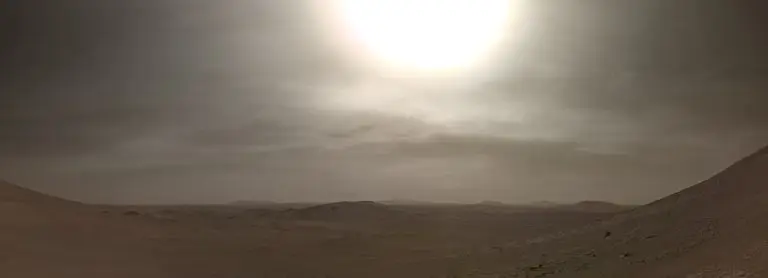
Mars presents unique challenges, including high radiation levels due to its weak magnetic field. Effective radiation protection, using Martian soil (regolith), water shielding, or underground habitats, is essential for human health. Equally important is thermal control, as Mars is extremely cold. Advanced thermal systems and long-term planetary engineering concepts may help stabilise local environments and support human activity.
Sustaining life on Mars also requires reliable energy generation, combining solar power with nuclear systems to ensure continuous electricity for life support, manufacturing, and research. Due to communication delays with Earth, autonomous systems and artificial intelligence play a vital role in construction, maintenance, and emergency response.
Crucially, multi-planetary life is not about abandoning Earth. It strengthens planetary defense, scientific discovery, and sustainability efforts at home. By learning to survive on Mars, humanity develops the technologies, resilience, and long-term thinking needed to protect Earth and ensure civilization can endure.
Establishing a foothold on Mars is humanity’s first step toward becoming a durable, spacefaring species—capable of safeguarding its home planet while securing its future among the stars.
Humanity is poised to create a whole new home—a world built from the ground up. From transportation and housing to food production, energy generation, and health and safety, every element of this new frontier is a bold mission. At the heart of it all is advanced onboard processing, and CAVU Aerospace UK is proud to play a vital role, providing the technology that makes these extraordinary missions possible and helping humanity take its first true steps toward becoming a multi-planetary species.