TCU Electrical Transient Analysis: Simulation Validated Against Real Measurements
- October 15, 2026
- CAVU Aerospace UK
Electrical transient analysis is essential for verifying the reliability and robustness of a spacecraft’s Thermal Control Unit. During power-up and operation, electrical loads such as heaters can introduce transient currents and voltage variations that must be carefully managed to protect the spacecraft’s electrical systems.
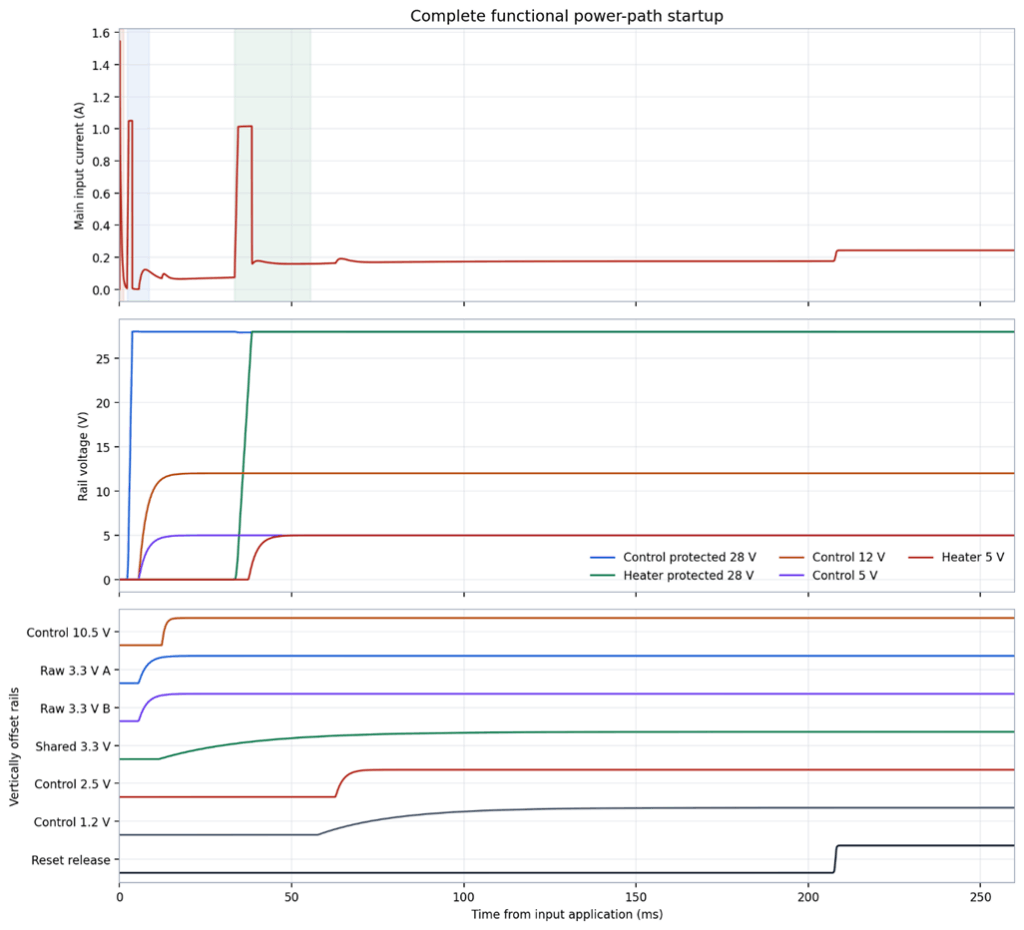
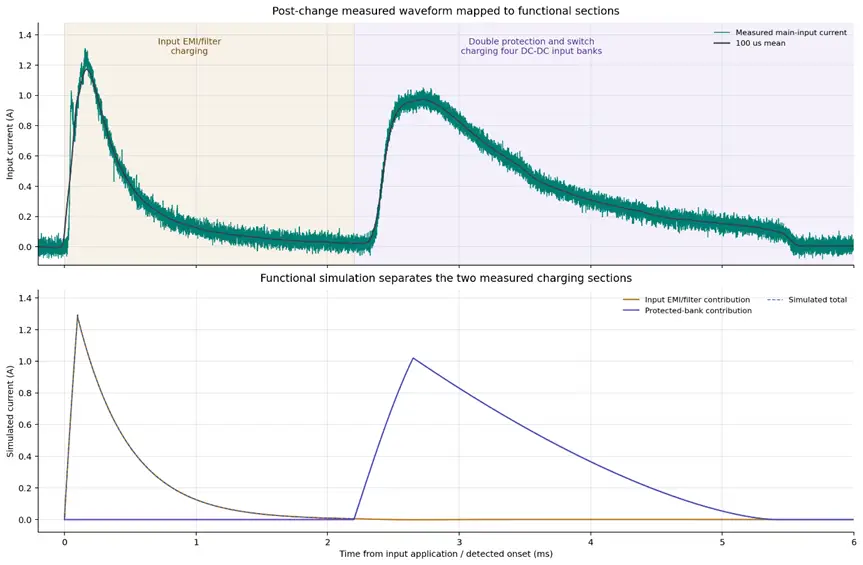
For TCU, simulation results have been mapped against actual electrical measurements, providing a practical comparison between predicted behaviour and measured performance. This correlation helps validate the electrical transient model and increases confidence in the TCU’s response under operating conditions. The accompanying voltage ramp results, available in the package’s diagram directory, provide further insight into the unit’s power-up behaviour and voltage response.
By combining simulation with real-world measurements, CAVU Aerospace supports a rigorous, evidence-based approach to electrical verification, helping ensure reliable thermal control for demanding space applications. This is brief TCU electrical transient analysis. Here is simulation results mapped to the actual measurements:
You can also find the voltage ramp results under the \diagram directory of the package: