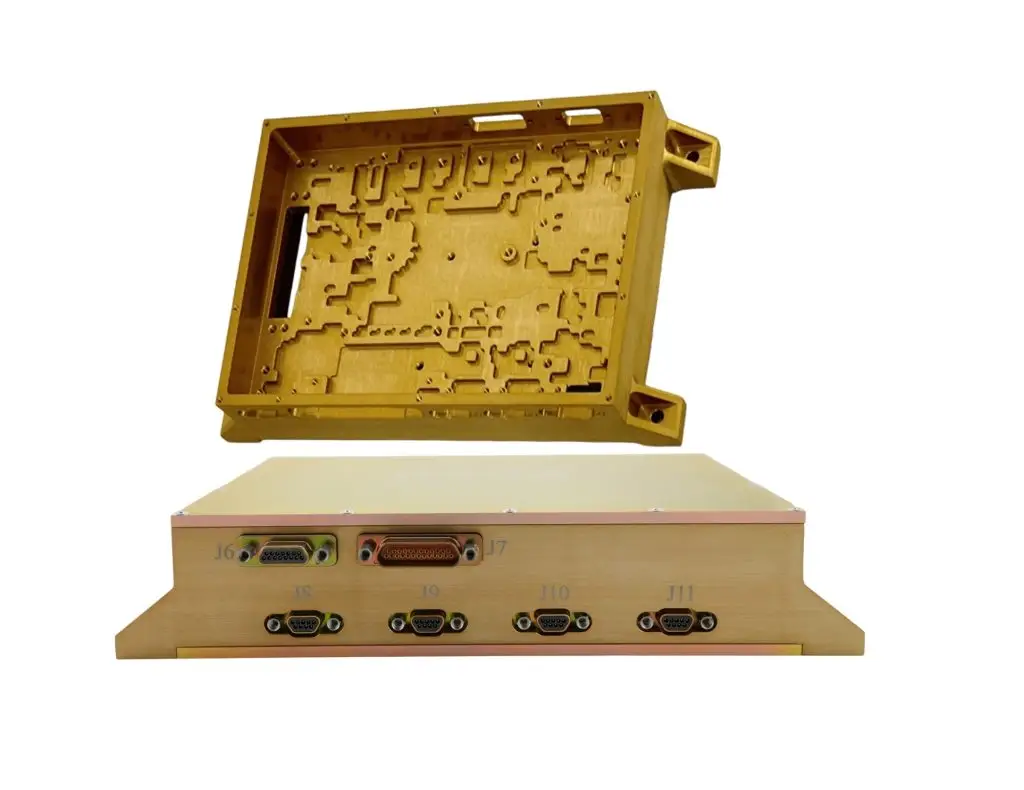
Smart Development Strategy, Accelerated Development with Minimum costs
Case: OBC-Hyper-Polar Modular Architecture
- January 4, 2026
- CAVU Aerospace UK
The New Space industry has transformed the way satellites are designed and manufactured. Commercial Low Earth Orbit missions increasingly demand shorter development schedules, rapid software integration, and lower programme costs. Traditional hardware procurement, however, often creates unnecessary delays and duplicated investment with ordering Engineering models, qualification models & then flight models. For many LEO missions when FM also has COTS components, only difference is coating & some mechanical works.
At CAVU Aerospace, our primary goal is to contribute space technology to help humanity expand knowledge in space & colonize other planets to start multiplanetary life. Given that we’re always looking for solutions to reduce the cost of products & services for clients. For LEO missions we have developed a different approach to help clients minimize development costs.
Our OBC-Hyper-Polar onboard computer is built around a modular architecture on Microchip PolarFire FPGA that enables spacecraft developers to begin software development immediately while mission-specific hardware is being designed and manufactured in parallel.
Instead of treating the Engineering Model and Flight Model as two completely independent products, our development philosophy allows the engineering hardware to become part of the final flight-qualified system after undergoing a controlled flight preparation process.
The result is a faster development cycle, reduced programme cost, and significantly greater value for satellite manufacturers & ultimately contributing more in expanding human knowledge.
Traditional Development, EM => QM=> FM
In a conventional spacecraft programme, the sequence usually follows this pattern:
- Design the complete flight hardware
- Manufacture the Engineering Model
- Develop software
- Qualifications
- Manufacture an entirely new Flight Model
- Perform environmental qualifications on acceptance level
- Deliver flight hardware
Although this process is well established, it has several disadvantages for new commercial space sector. The trend is to minimize the costs & use physical assets as much as possible.
Software engineers often wait months for custom hardware before development can begin. Once software development is complete, the Engineering Model has largely fulfilled its purpose and a completely new Flight Model must still be purchased and manufactured.
For many commercial LEO missions using COTS components, this results in duplicated hardware costs without adding equivalent engineering value.
CAVU has put mature OBCs like OBC-Hyper-Polar on roll production which means immediate shipment & fraction of the costs.
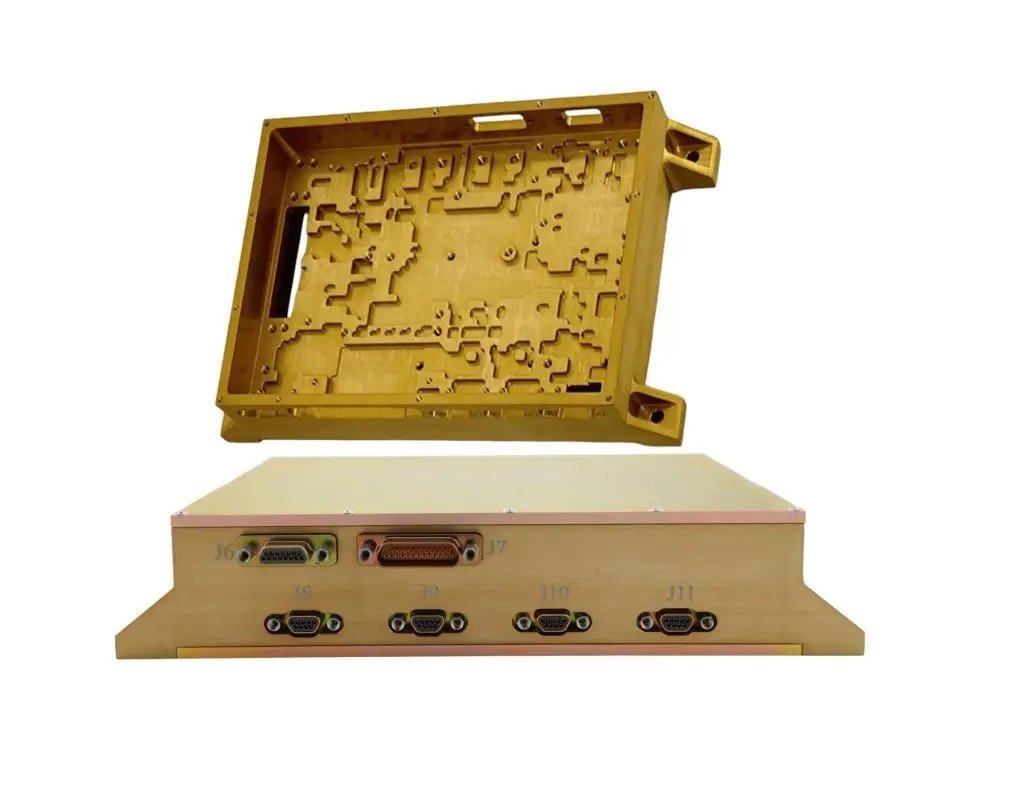
The OBC-Hyper-Polar Development Workflow
The OBC-Hyper-Polar has been specifically designed to eliminate these inefficiencies.
Its modular architecture separates the core onboard computer from mission-specific peripheral boards, allowing development activities to proceed simultaneously rather than sequentially.
The complete workflow is illustrated below.
Step 1 – Immediate Delivery of the Engineering Model
As soon as a project begins, CAVU Aerospace UK delivers the OBC-Hyper-Polar Engineering Model together with the development kit.
The base module already provides an extensive range of interfaces, including:
- CAN Bus
- RS-422
- RS-232
- RS-485
- Gigabit Ethernet
- USB
- I²C
- Digital I/O
- High-speed ADC
- JTAG
- SerDes expansion
This allows software engineers to immediately begin:
- Bootloader development
- Operating system integration
- Flight software implementation
- Driver development
- Interface testing
- Payload software development
Rather than waiting months for custom avionics, development starts from the first weeks of the programme.
Step 2 – Parallel Development of Mission-Specific Add-on Cards
While the customer is actively developing software using the Engineering Model, CAVU engineers complete the design of the mission-specific Add-on Card.
These peripheral boards can provide:
- Additional processing capability
- High-speed interfaces
- Payload-specific communications
- Sensor interfaces
- FPGA functionality
- Custom mission electronics
Because software and hardware development occur simultaneously, several months are removed from the overall programme schedule.
Typically, Add-on Cards can be designed and manufactured within approximately two to three months.
Step 3 – Return of the Engineering Model
Once the custom Add-on Card is complete and software development has matured, the Engineering Model is returned to the CAVU Aerospace UK laboratory.
The onboard computer electronics are carefully removed from the Engineering Model enclosure and prepared for flight integration.
At this stage, the hardware has already been extensively exercised during software development, providing additional confidence before flight preparation begins.
Step 4 – Flight Preparation and Integration
The core OBC electronics and the newly manufactured Add-on Card undergo a comprehensive flight preparation process.
This includes:
- Detailed inspection
- Cleaning and contamination control
- Parylene conformal coating
- Mechanical reinforcement where required
- Assembly into the dedicated flight chassis
- Integration of the mission-specific Add-on Card
- Functional & env. verifications
The result is a fully integrated flight configuration tailored specifically to the customer’s mission requirements.
Following assembly, the hardware proceeds through the standard environmental qualification programme, including vibration and Thermal Vacuum (TVAC) testing, before final acceptance.
Step 5 – Delivery of the Flight Model
After successful environmental testing and final verification, the completed Flight Model is delivered to the customer. Because the same onboard computer platform has been used throughout software development, integration risks are significantly reduced, and there is no need to repeat months of software verification on a completely different hardware unit.
At CAVU Aerospace UK, we believe that spacecraft development budgets should be invested where they create the greatest mission value. The OBC-Hyper-Polar development philosophy transforms the traditional hardware lifecycle into a streamlined engineering process. Immediate availability of the Engineering Model allows software teams to work from day one, while our engineers develop the mission-specific hardware in parallel. Once development is complete, the same core electronics undergo a controlled flight preparation process, integrating custom Add-on Cards into a flight-qualified enclosure before environmental testing and final delivery.
This approach reduces unnecessary hardware duplication, shortens development schedules, lowers programme costs, and provides customers with a clear, efficient path from concept to flight. For commercial LEO missions built around COTS technologies, it offers a practical and cost-effective solution that enables satellite developers to focus more of their resources on innovation, payload performance, and mission success.
Advantages for this approach for commercial space sector are:
- Earlier Software Development
- Lower Programme Cost
- Reduced Integration Risk
- Modular Expansion
- Faster Time to Orbit