Mobility for the Next Era of Lunar Exploration
- September 16, 2026
- CAVU Aerospace UK
NASA’s Artemis program is not simply about putting astronauts back on the Moon to plant flags & collect rocks—it is about building the capability to explore, operate and eventually establish a sustained human presence there. A critical part of that vision is mobility. It’s about building Moon Base, next step to expand our understanding on universe, a giant leap to become multiplanetary civilizations. Moon base operation will be quite similar to operations in ISS, but missions can be from 28 days. It prepares next generations to earn what it takes to become multiplanetary species. Moon base after foundation period certainly will have a runway to Mars.
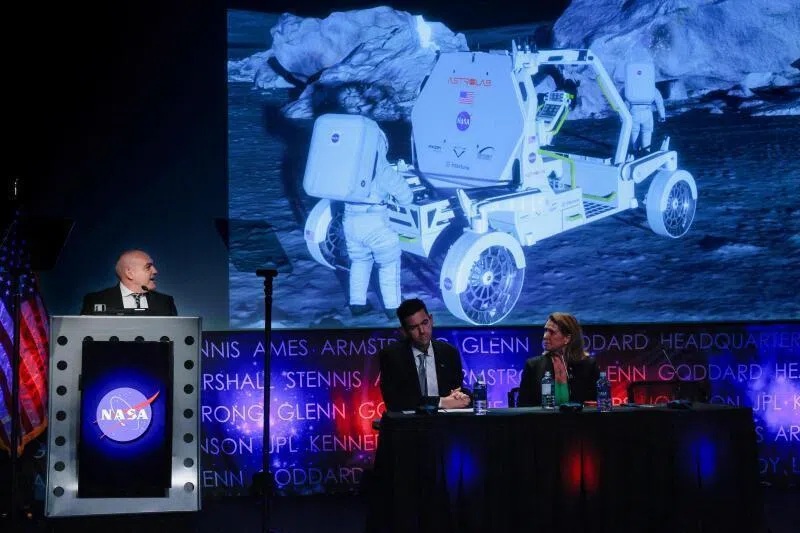
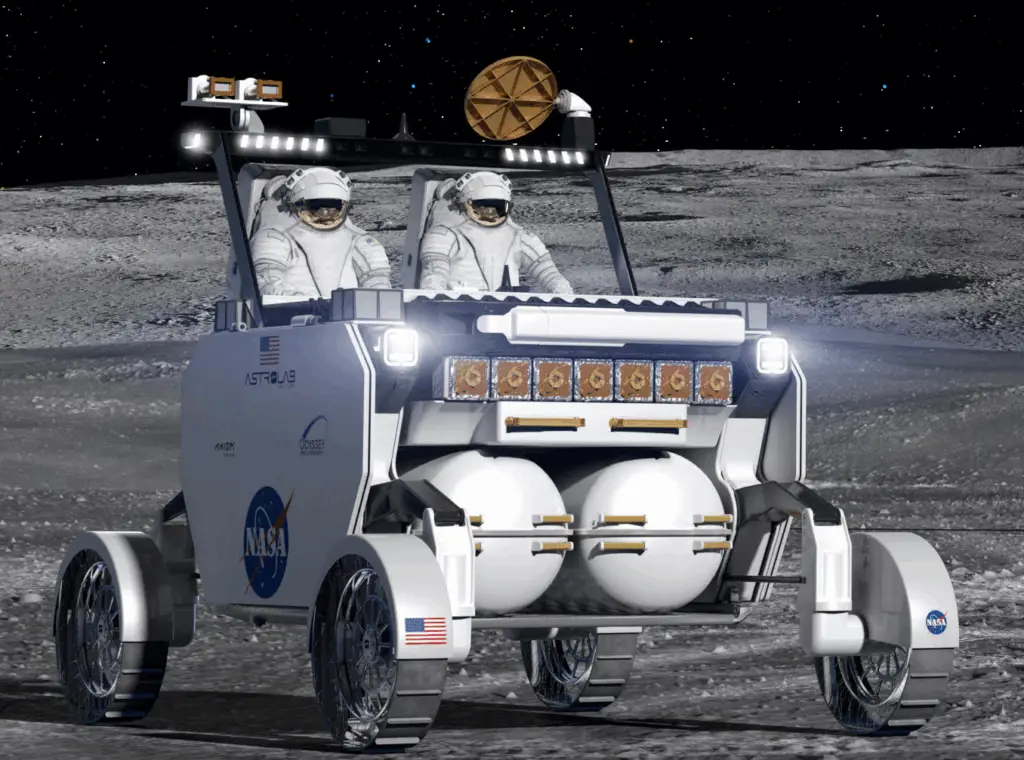
Mobility is a major challenge on lunar surface. NASA policy is to let commercial space companies build majority of requirements, including mobility. So they selected Venturi Astrolab to develop its Crewed Lunar Vehicle (CLV-1), based on the company’s FLEX lunar vehicle architecture, as part of the agency’s next generation of Lunar Terrain Vehicles.
The vehicle is designed to transport astronauts, equipment and supplies across the challenging terrain of the lunar South Pole. Unlike the Apollo-era rover, the new generation of vehicles is being designed for a more flexible future: astronauts can drive the rover, while it can also operate autonomously or remotely when no crew is present. This mobility dramatically expands what astronauts can accomplish. Instead of being limited to locations they can reach on foot, crews can travel farther, carry more scientific equipment, collect more samples and investigate a much larger area of the lunar surface.
NASA’s current plans include deploying Astrolab’s CLV-1 with the first phase of lunar mobility systems targeted for delivery by 2028. NASA has awarded Astrolab contract for this initial phase. The significance goes beyond a lunar rover. Mobility is infrastructure. Just as roads and vehicles enable exploration and development on Earth, capable surface vehicles will be essential to turning the Moon from a destination into a place where humans can explore, conduct science and build long-term operations.
With Artemis, humanity is returning to the Moon—and Astrolab along with several other space commercial firms is helping to make that faster, better & more reliable. It’s not just about another exploration, its about humanity moving forward & we’re proud to be part of it.